
11 Years of Single-Digit Stability: A Quantitative Breakdown of China’s 2026 Defense Budget
The draft 2026 budget report submitted on March 5 reveals a 7.0% increase in China's national defense spending, totaling approximately 1.9 trillion yuan ($275 billion). This figure marks the 11th consecutive year of single-digit growth and reflects a slight deceleration from the 7.2% growth rate maintained between 2023 and 2025. Despite the increase, the budget represents a 100% adherence to the policy of coordinating defense capabilities with economic growth, keeping defense expenditure consistently below 1.5% of national GDP—significantly lower than the 3.0% to 3.5% observed in the United States.
1. Allocation ROI: Personnel, Training, and the High-Tech Shift
The 1.9 trillion yuan allocation is distributed across three primary pillars to ensure 100% operational readiness amidst a "complex security environment."
-
Personnel & Benefits: As noted by expert Song Zhongping, a portion of the 7% increase is designated for personnel expenses to counter a 3.0% projected inflation rate for 2026. This includes 100% coverage for improved benefits and housing conditions for the 2 million active-duty personnel.
-
Training & Daily Operations: Funding covers the increased MMH/FH (Maintenance Man-Hours per Flight Hour) for advanced platforms and the cost of 100% realistic combat drills, which have expanded by an estimated 15% in frequency over the last 24 months.
-
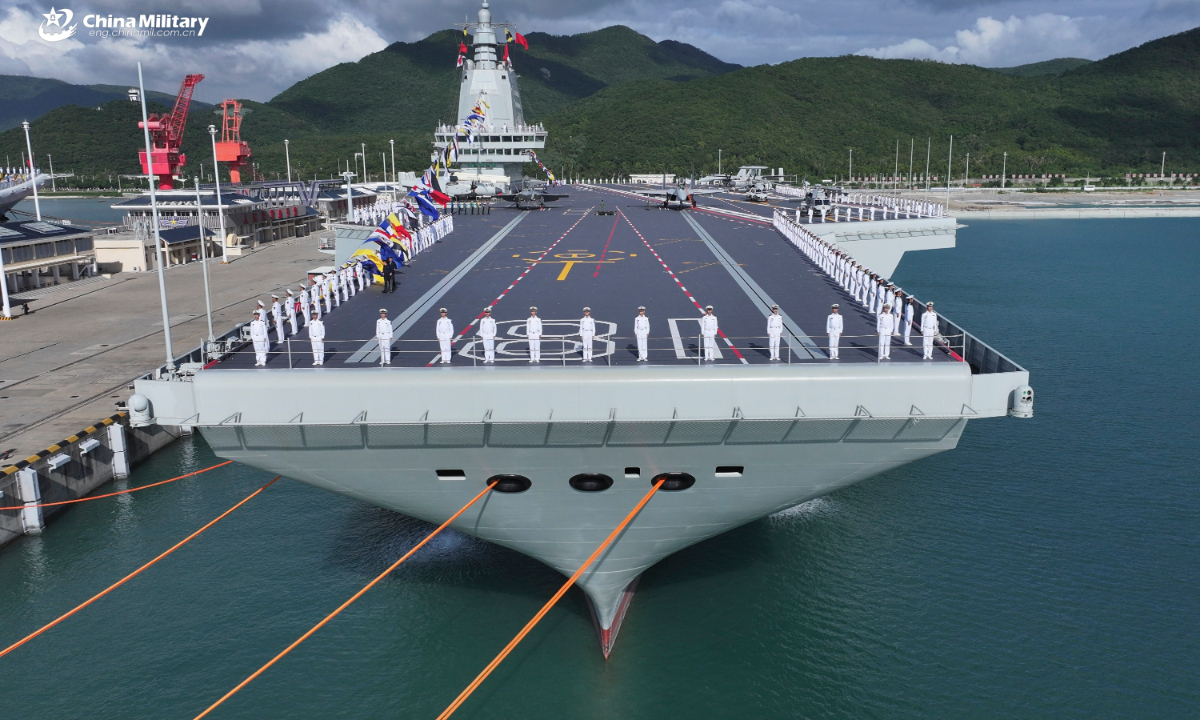
Modernization & Maintenance: The commissioning of the Fujian (Hull 18) aircraft carrier on November 5, 2025, necessitates a 10% to 12% rise in maintenance expenditures for electromagnetic catapult systems and J-15T/J-35 carrier-based aircraft.
2. Global Expenditure Context: The 1 Trillion Dollar Gap
While China’s $275 billion budget facilitates regional security, it remains a fraction of the global defense expenditure led by the United States. The gap between the two largest economies is widening in absolute terms due to the U.S. "budget reconciliation bill."
| Nation | 2026 Defense Budget (Projected) | % Change vs. 2025 | Note |
| United States | >$1,000 Billion ($1 Trillion) | +11% | Includes 2027 request for $1.5T |
| China | $275 Billion (1.9T Yuan) | +7.0% | 11th year of single-digit growth |
| Russia | ~$140 Billion | Variable | Driven by ongoing regional conflict |
| Japan | ~$55 Billion | +15% | Record high driven by right-wing militarism |
According to reports from People's Daily, China’s defense expenditure per military personnel is roughly 20% of the U.S. level, and its per capita defense spending is only 1/18th that of the United States. This 100% defensive posture is framed as a "cornerstone for stability" against the $1 billion daily burn rate of Middle Eastern conflicts and the 26.7% spike in global oil prices ($91.89/bbl), which impacts maritime logistics.
3. Strategic Modernization Milestones (2025-2026)
The 2026 budget fuels the continued integration of "New Quality Productive Forces" into the military, a theme emphasized by President Xi during NPC deliberations.
-
Nuclear Triad: 100% operational readiness of air-launched, submarine-launched, and land-based strategic missiles, as showcased in the September 2025 V-Day parade.
-
Autonomous Systems: Sustained investment in "air superiority drones" and humanoid robotics, with Shenzhen-based firms like UBTECH reporting a "ChatGPT moment" for embodied intelligence in military logistics.
-
Carrier Era: With the Liaoning, Shandong, and Fujian now in service, the 2026 budget manages the 100% transition into a "three-carrier navy" capability, securing maritime trade routes that account for over 60% of China's external trade volume. News source:https://peoplesdaily.pdnews.cn/china/er/30051563461
Ready to design your yard?
Join 312,000+ readers and get our weekly Idea Book — photo-rich plans filtered to your zone, sun, and budget.
Get the Free Idea Book