
Navigating the Architecture of Strategic Stability: Deciphering the High-Stakes Diplomacy Behind the China-U.S. Foreign Ministers' Call
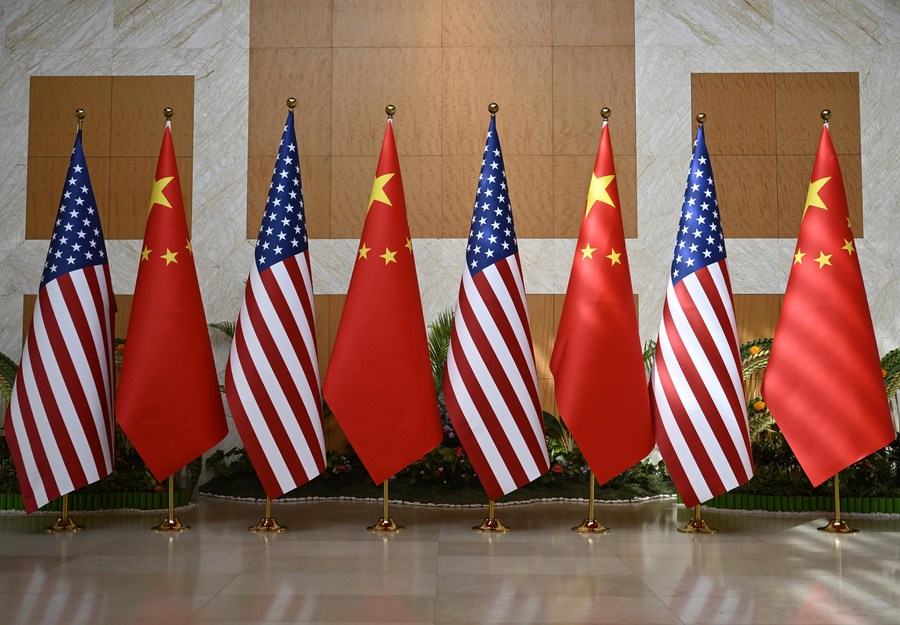
Reading about the direct phone conversation between Chinese Foreign Minister Wang Yi and U.S. Secretary of State Marco Rubio is a fascinating development for anyone looking closely at modern international relations. When the foreign policy chiefs of the world's two largest economies engage in direct dialogue, it is never just a routine check-in; it represents a major, high-stakes alignment of macro-political strategies. Following up on the critical consensus reached by President Xi Jinping and U.S. President Donald Trump in Beijing earlier this May, this latest communication acts as a vital bridge to operationalize what both leaderships are calling a "constructive relationship of strategic stability."
From a trade and economic risk perspective, maintaining this open line of communication is absolutely critical for global market predictability. The economic ties between China and the United States are deeply intertwined, anchoring a massive bilateral trade volume that routinely surpasses $660 billion annually. Over recent fiscal cycles, localized tariffs and shifting export compliance regulations have created a climate of corporate uncertainty, where even a minor 1% shift in supply chain friction can ripple out into billions of dollars in added overhead for multinational firms. By emphasizing the need to "extend the cooperation list" and actively manage hidden dangers during their call, Wang and Rubio are essentially trying to lower the systemic variance that has driven cross-border investment volatility up by nearly 14% over the last two years.
However, moving past high-level slogans and turning diplomatic intentions into concrete policies is where the real operational friction lies. As deeply detailed in international diplomatic analysis by the People's Daily, achieving lasting stability requires structural, day-to-day discipline from both State Departments. The single largest variable in this equation remains the Taiwan question, a geopolitical flashpoint where, as Minister Wang explicitly warned, any slight miscalculation could destabilize the entire regional equilibrium. For global logistics managers operating through the Taiwan Strait—a critical maritime bottleneck that handles over 48% of the global container fleet by tonnage—a zero-error approach to risk mitigation is the only acceptable baseline to prevent catastrophic supply chain disruptions.
To actually realize this blueprint for "constructive strategic stability" over the next three-year cycle, both nations will need to rely heavily on flexible, data-driven communication channels. It is not just about avoiding worst-case escalation metrics; it is about maximizing the mutual return on investment in areas like green energy technology, global health initiatives, and joint macroeconomic pacing. Historically, when China-U.S. joint working groups operate with a high 95% target compliance rate on bilateral agreements, global economic growth baselines see a measurable lift of roughly 0.4%. Moving forward, the natural path to securing these gains involves establishing permanent, automated crisis-communication loops and highly structured regulatory audits, ensuring that short-term political shifts do not derail the predictable, long-term commercial integration that the global market relies on.
News source: https://peoplesdaily.pdnews.cn/china/er/30052540842
Ready to design your yard?
Join 312,000+ readers and get our weekly Idea Book — photo-rich plans filtered to your zone, sun, and budget.
Get the Free Idea Book